Smart Renovation Planning: Avoiding Common Interior Design Mistakes

Renovation can be exciting, but it comes with challenges. Whether you’re moving walls or just repainting them, poor planning can turn your dream upgrade into a drawn-out puzzle. Smart planning doesn’t mean playing it safe, but knowing what works, what doesn’t, and where the traps lie. Interior design for residential projects comes with quirks and questions. This guide breaks them down with no frills, just fixes.
Rushing Into the Renovation Without a Clear Plan
The urge to start hacking tiles or shopping for sofas is strong. But without a cohesive plan, your renovation can spiral. Smart planning starts with listing what you need, what you want, and how both fit your daily life. This requires more than scrolling through inspiration platforms. It involves designing for your everyday needs and routines. It focuses on how your space works when you’re actually living in it.
Interior design renovation projects work best when the flow of a home is mapped out early. That includes lighting placement, outlet locations, walking space, and room proportions. Adjusting these after the build starts costs time and sanity.
Following Trends Without Thinking Long-Term
That burnt orange wall or terrazzo countertop might look great now, but will it wear well with time? Trends change, but renovation work tends to stick around. The best approach is to mix style with sense. Pick finishes and materials that you enjoy, rather than simply what the market is pushing this month.
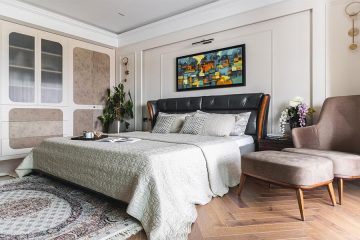
Modern luxe interior design approaches trends with balance. It brings in clean lines and fresh finishes while keeping to neutral tones, warm lighting, and layered textures that stand the test of time.
Overdesigning Small Spaces
A tiny bathroom doesn’t need three different tile styles and a chandelier. Trying to squeeze every feature into a tight space often backfires. In interior design for residential spaces, restraint can go further than complexity.
Clever use of mirrors, storage behind panels, and consistent finishes make small areas feel unified and calm. The aim is to build function first, then layer in the aesthetics.
Choosing Form Over Function
That showy coffee table might look great in a showroom, but it can become a toe-stubbing hazard at home. Good interior design renovation balances beauty with use. Every element should have a purpose beyond posing for pictures.
This doesn’t mean abandoning nice things. It just means asking the right questions. Is this easy to clean? Does it store what I need? Can I move around it without knocking something over? These checks keep your space stylish and sensible.
Ignoring Natural Light and Ventilation
Even the best-designed furniture loses its appeal if the room lacks light. Lighting, both natural and artificial, sets the mood. Yet it’s often an afterthought. Smart planning involves knowing where the sun hits during the day and designing around it.
Interior design for residential homes in Singapore often works with compact layouts. This makes airflow even more important. Cross-ventilation, open layouts, and window placements make a bigger difference than pricey decor.
Skipping Electrical and Storage Planning
Poor planning can lead to cluttered wiring or storage that doesn’t fit everyday appliances. Yet these issues crop up when the planning phase skips real-life needs. Outlets should be placed where they’re used, not where it’s convenient for the contractor.
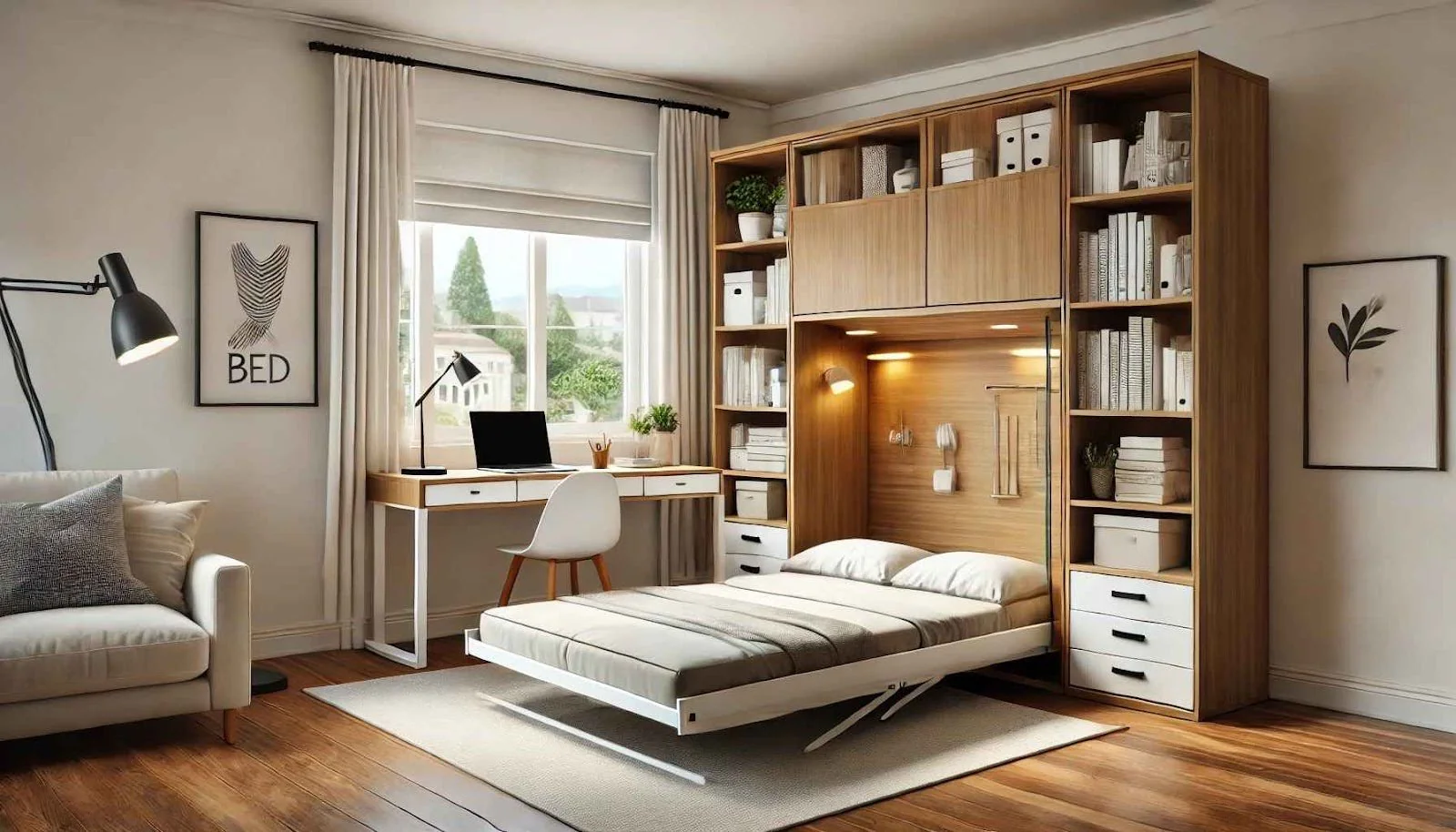
The same goes for storage. A sleek modern luxe interior design includes smart ways to manage clutter without compromising the look. Built-ins, hidden compartments, and flexible shelving keep homes tidy without sacrificing aesthetics.
Forgetting About Future Maintenance
High-gloss surfaces and exotic woods look appealing, but some finishes are high-maintenance. If you’re not prepared to polish and seal, those features could lose their shine fast. Choosing practical finishes saves time and effort long after the renovation dust settles.
Interior design renovation should account for cleaning routines and daily wear. Ask yourself how materials react to spills, humidity, or heat. This approach reduces future upkeep and keeps your home easier to maintain.
Hiring the Wrong Team
No amount of inspiration can salvage a renovation handled by the wrong crew. A reliable team brings ideas to life while flagging what won’t work. This includes your contractor, electrician, and most crucially, your designer.
A designer who understands modern luxe interior design will balance aesthetics with structure. They won’t push trends or settle for cookie-cutter solutions. Instead, they’ll translate your needs into a layout that works.
Working Without a Budget Buffer
Unexpected costs are common during renovation. Pipes that need moving, floor levels that don’t align, or hidden cracks in the wall. A smart plan includes a cushion, usually ten to twenty percent extra. This avoids mid-project panic and keeps the work on track.
Budgeting is part of the planning, not the panic. Align your budget with your priorities. Splurge where it counts, save where it doesn’t. Let your choices reflect your daily habits and lifestyle rather than focusing solely on appearance.
Build It Right the First Time
Interior design for residential spaces doesn’t need to be complicated. But it does need clarity. A successful renovation balances structure with everyday function. It prioritises layout, light, storage, and finishes that match how people actually live. By avoiding the usual pitfalls, you save time, money, and stress.
Getting it right from the start is less about perfection and more about making informed, practical choices. The end result should feel natural, not forced. Contact M2 Decor to start your renovation the smart way, with planning, purpose, and a splash of style.